
Property Structure & Pest Activity
Wilmette
Wilmette’s residential fabric spans several construction periods, from older districts such as Ouilmette North to substantial mid-century housing and later redevelopment, with Village Center adding multifamily and mixed-use properties to a largely detached-house community. That range matters because two nearby properties may present different exterior conditions, service access, and interior layouts. My Pest Crew uses the reported activity and the construction present at the individual property to determine how the service should be approached.
Building Style
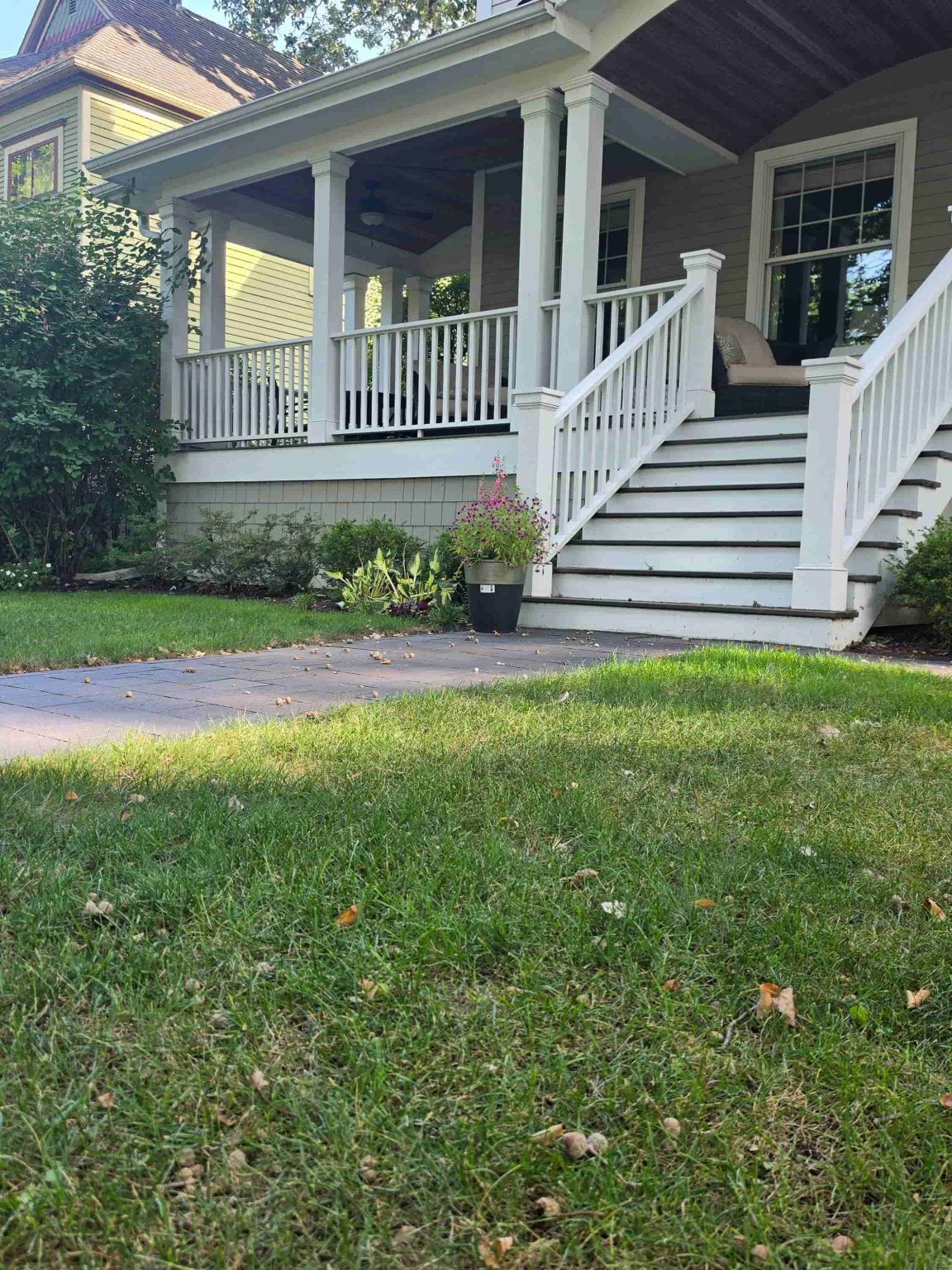
Wilmette’s housing stock is strongly single-family detached, with a large pre-1940 residential layer and another substantial period of construction from 1940–1969. Ouilmette North represents a large older residential district spanning several construction eras from the 19th century through the first half of the 20th century. Oak Circle adds a documented early-20th-century bungalow and Craftsman pattern with 1- and 1½-story houses and detached garages. Wilmette also includes apartment, multifamily, and mixed-use buildings around Village Center and commercial corridors, along with later replacement and redevelopment activity that varies by property.
Common Structural Entry Points
- Foundation, grade, and lower-wall seams at detached houses and older residential buildings
- Window-well, basement-door, drain, cleanout, or other lower-level service openings where present
- Utility, plumbing, HVAC, meter, vent, or conduit penetrations through exterior assemblies where present
- Garage-door bottoms, side jambs, slab edges, or garage-to-house seams where garages are present
- Deteriorated masonry joints or altered exterior material seams where older, commercial, or remodeled assemblies exist
- Eave, soffit, roofline, vent, fascia, or upper-wall openings in properties with those assemblies
Pests We Address in Wilmette
- Rats
- Mice
- Ants
- Cockroaches
- Spiders
- Centipedes
- Millipedes
- Silverfish
- Earwigs
- Pillbugs
- Sowbugs
- Bed bugs
- Wasps and hornets
- Flies
- Boxelder bugs
Our Treatment Approach
My Pest Crew uses the reported activity to guide the inspection and reviews accessible openings where they are relevant to the service. Property openings and other exterior conditions may be documented during pest-control service when they are relevant to the activity found. Insect treatment is based on the activity and accessible areas found, and accessible exterior nests may be treated when that is part of the scheduled service. Larger openings or construction conditions are documented when they fall outside pest-control work.
Pest Control Services in Wilmette
Wilmette’s underground service conditions differ notably east and west of Ridge Road, where combined and separate sewer systems create different infrastructure settings for individual properties. Private sewer laterals, lower-level openings, and exterior service areas also vary from one address to another. Rat Control therefore begins with the activity and accessible exterior conditions at that property rather than treating Wilmette’s sewer system as one uniform explanation.
Wilmette’s detached-house-heavy housing stock includes older residences as well as bungalow and Craftsman properties documented in Oak Circle, where detached garages are also part of the district pattern. Mouse access can therefore involve very different relationships between lower walls, foundations, garages, basement areas, and later service work. The useful service picture comes from how those parts of the individual home connect. Standard Mouse Control is an initial visit plus an included follow-up.
Across Wilmette’s older and later residential construction, exterior perimeter conditions can differ substantially in how foundations, siding, masonry, windows, doors, and vents meet. General Pest Control has to account for that variation when mixed crawling-insect activity is reported. A detached prewar house, a mid-century residence, and a later replacement property may each present a different set of accessible areas for service. Standard General Pest Control includes an initial visit and an included follow-up about 3–4 weeks later.
Wilmette properties can combine sidewalks, driveways, slab edges, foundation-grade lines, and exterior wood details in very different ways. Ant activity around hardscape does not present the same service situation as activity involving porches, trim, or other wood assemblies. The technician reviews where the activity is occurring and how those property features relate before determining the treatment approach.
Wilmette includes apartments, multifamily buildings, and mixed-use properties where German roach activity may involve occupied kitchens, bathrooms, and connected residential layouts. Building access and unit arrangement can affect how the service is coordinated, with the work based on the activity confirmed inside the property.
Wilmette’s detached-house-heavy residential stock can present spider and web activity in garages, basements, storage areas, sheltered lower exterior edges, and around illuminated building edges. Those visible activity areas help define whether service needs to address interior spaces, exterior areas, or both, based on the individual property.
For Village Center apartment, multifamily, and mixed-use properties in Wilmette, Bed Bug Treatment begins with inspection so the agreed property or unit and the sleeping or resting areas involved are clear before treatment is scheduled. Once activity is confirmed, the standard service includes the initial treatment and a follow-up usually 10–14 days later.
Wasp & Hornet Control starts with a visible nest or repeated activity concentrated around one exterior area. Service is limited to a maximum access height of 25 feet. If the nest is concealed, the technician determines what can be reached and treated from the active exterior area; physical nest removal is performed only when the nest is accessible and conditions allow it. My Pest Crew does not perform wall cutting or structural repair.
Wilmette can present several distinct settings for Fly Control. Older residential properties may involve activity near upper building shell areas, while lower-level plumbing and drain areas sit within a local infrastructure pattern that changes east and west of Ridge Road. Village Center and food-service properties add another interior setting entirely. The service is shaped by where the fly activity is actually occurring within that property.
Wilmette homes can combine windows, door thresholds, utility openings, garage-door bottoms, soffits, fascia, and exterior material transitions in different configurations. During seasonal boxelder bug activity, those exterior connections can place visible activity in different parts of the house from one property to another. Treatment focuses on the affected exterior areas and any activity that has moved inside.
The Home Pest Protection Plan is available after My Pest Crew completes the appropriate initial service. Quarterly visits include interior General Pest Control throughout accessible areas, review and treatment of covered reported activity, exterior granular bait, and monitoring when useful. Exterior spray is separate and may be arranged as a seasonal add-on. Covered activity between quarterly visits can receive an additional visit at the reduced plan rate. Active mouse or rat concerns begin with the corresponding initial rodent service, and more frequent rodent visits may be arranged when quarterly service is not frequent enough for the activity found.
Nearby Service Areas
Explore nearby service areas within My Pest Crew’s coverage. Each area has its own construction mix and property conditions, so service is based on the individual property rather than assumed from proximity.
Evanston was built in layers, from late-19th-century houses and major early-20th-century growth to two-flats, apartment buildings, and later multifamily properties. That mix means neighboring buildings can present very different openings and exterior conditions. My Pest Crew evaluates reported activity against the actual construction and alterations present at the property rather than assuming one Evanston-wide pattern.
Skokie’s strongest residential pattern comes from its major postwar growth, but that layer sits alongside two-flats, apartments, condominiums, townhouses, later multifamily buildings, and newer infill. Low-rise brick housing is an important part of the streetscape without defining every property. That range gives My Pest Crew different exterior conditions, access arrangements, and service needs to work with from one address to the next.
Glenview combines established postwar neighborhoods with later custom construction, townhouses, and newer residential development. Mid-century ranches and split-levels are an important part of the housing story, while larger detached residences and newer homes add substantial variation. Basements, attached garages, landscaped yards, and changing exterior assemblies keep the community from fitting one suburban house type.
Northfield includes postwar and mid-century houses, large residential lots, a smaller multifamily layer, and later housing from 1980 forward. About 82% of housing units are in one-unit structures, and roughly 63% of housing dates from 1940–1979. Service depends on the layout and accessible areas of the individual property.
Kenilworth includes established early-20th-century Colonial and Tudor houses alongside newer replacement homes. About 97.9% of housing units are in one-unit structures, and roughly 56.6% of current housing predates 1940. Property conditions still depend on the individual house, not the village average.
Schedule Pest Control for Your Property
Tell us what you’re seeing at the property. My Pest Crew will review the situation and recommend the appropriate service.
Serving Chicago, the North Shore, and nearby north and northwest suburbs.