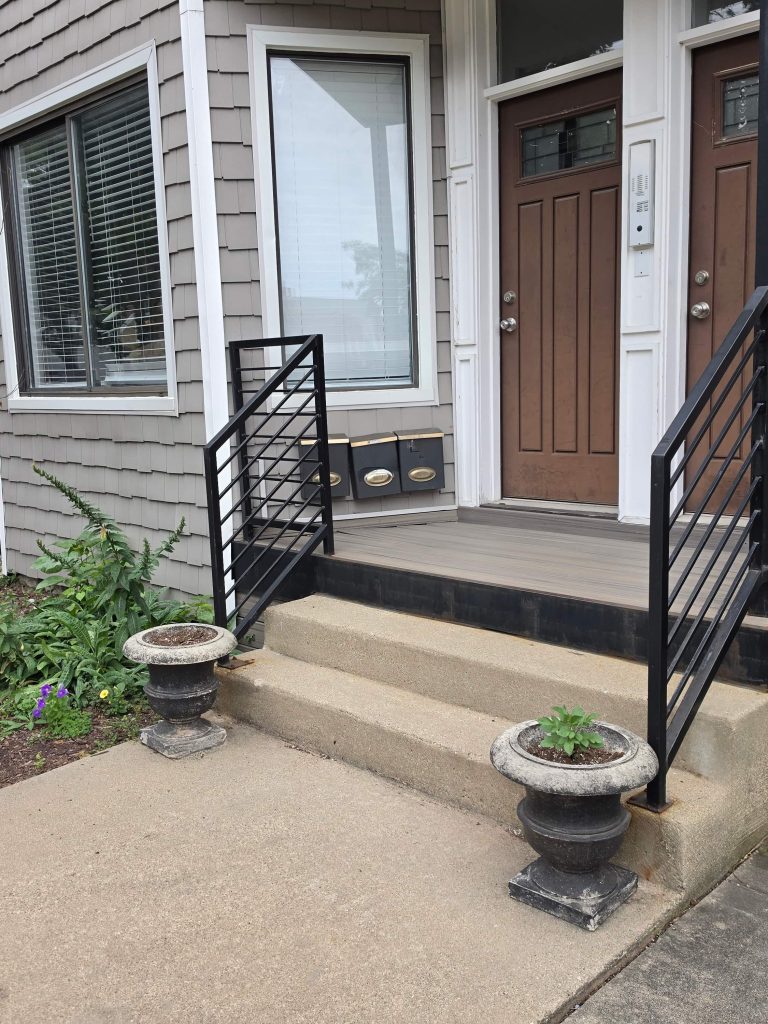
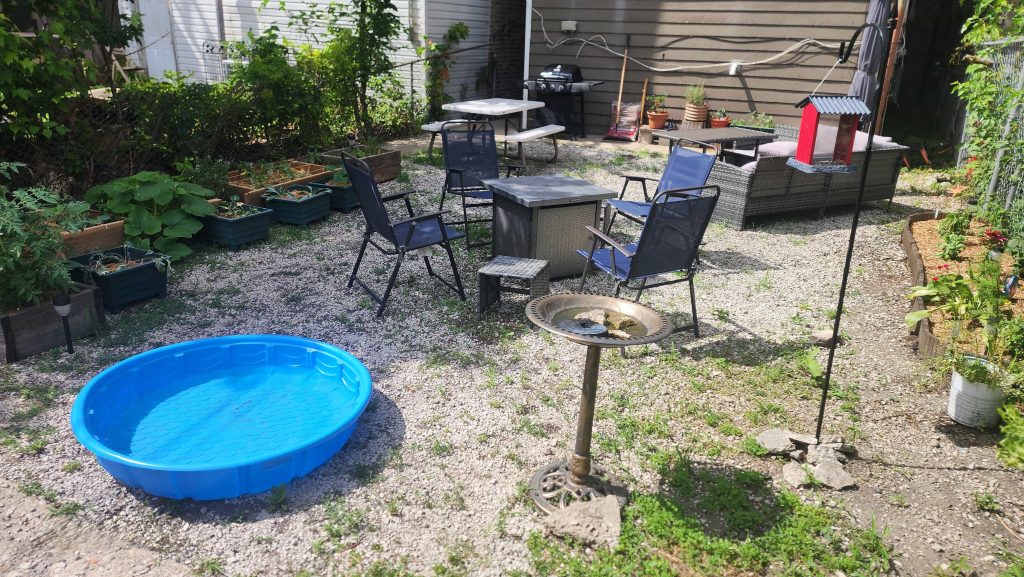
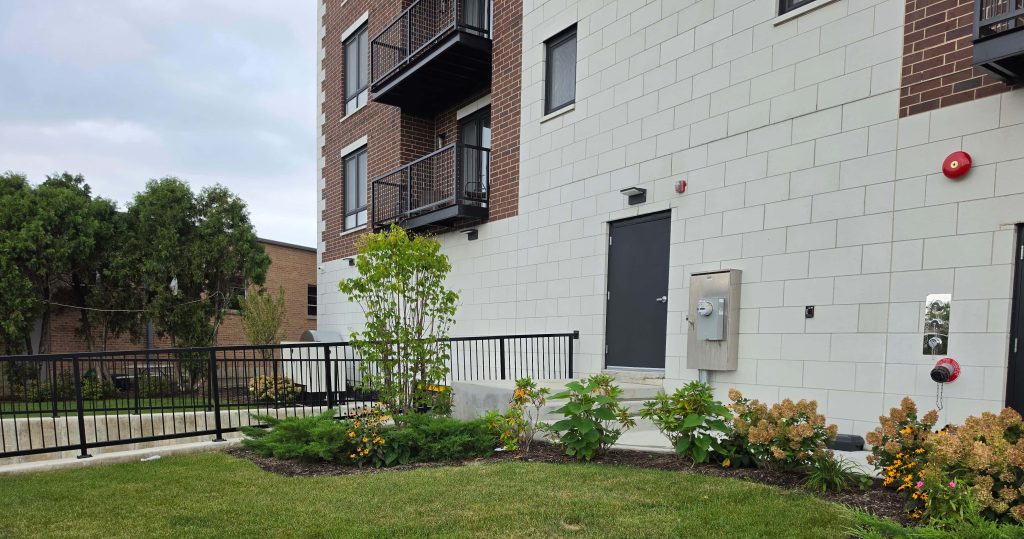
Rat Control
Exterior rat control for burrows, feeding activity, garage edges, alley lines, and foundation-area movement around the property.
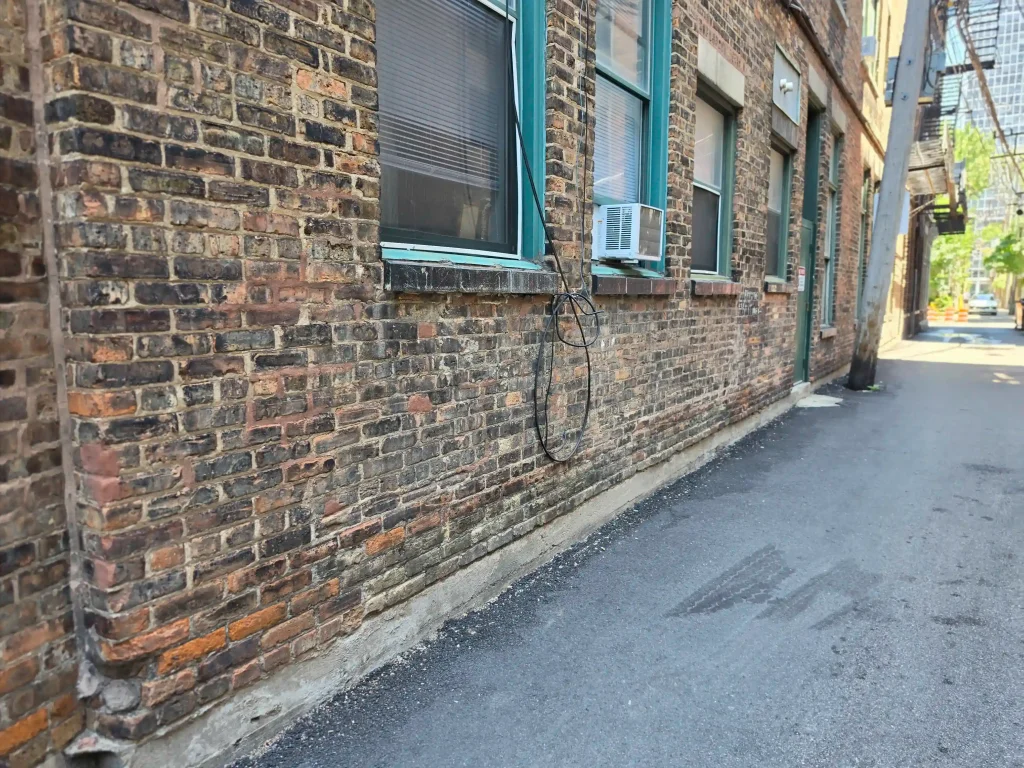

Rat activity in Chicago is rarely an isolated event. It often follows exterior conditions already present around the property — open soil near foundation edges, garage slab gaps, fence-line travel, alley activity, utility openings, and exterior holding points that have developed over time. Neighboring properties and shared alley systems can add to what one property is dealing with.
Our rat control work starts by identifying where rats are active outside the structure: burrows, feeding routes, garage edges, slab lines, fence lines, and foundation-area openings. Service is then built around the activity found, the station findings, and the exterior conditions that may need correction.
The visit begins with an exterior review of the areas where rats are active or likely to travel: burrows, garage edges, alley lines, fence lines, slab edges, trash areas, and foundation-area openings. Based on what is found, exterior stations may be placed or serviced, active burrows may be addressed, and visible conditions are documented.
After service, recommendations are based on what the property shows: station activity, burrow changes, new digging, feeding levels, and exterior access conditions. Some properties need continued maintenance because activity is coming from shared alleys, neighboring properties, or exterior holding points beyond one structure.
Initial Rat Control includes a follow-up visit, scheduled after the initial service. Ongoing exterior maintenance is based on activity, station findings, burrow changes, and exterior conditions, with visits at least quarterly.
Rat Control may use tamper-resistant exterior stations and professional materials placed according to the property layout and activity found during service. Exterior stations are positioned for controlled use, and placement decisions are made with pets, children, access, and normal property use in mind.
Rat Control does not include structural repair, masonry work, concrete repair, door replacement, garage repair, or construction correction unless specifically stated. Large foundation openings, damaged garage edges, failing door thresholds, broken vents, and concrete or masonry defects may need separate repair.
Interior rat activity is evaluated separately from exterior rat station work when present.
Common signs include burrows near foundations, garage slabs, sidewalks, fence lines, or landscaping; droppings near exterior storage or garbage areas; rub marks along travel paths; and repeated movement near alley or garage edges.
Burrows are a visible sign of rat activity around a property. The technician evaluates them together with the rest of the exterior findings and determines the service approach during the visit.
Exterior rat activity can change between visits. Follow-up and maintenance decisions are based on the current activity and service findings documented at the property.
Rat Control does not include construction repair. We may identify foundation voids, garage gaps, door issues, masonry openings, or concrete defects, but those conditions usually need separate correction.
Yes. Rats may enter through larger structural openings, damaged door areas, garage gaps, utility openings, vents, or foundation defects. Interior activity should be evaluated based on where the activity is taking place.
Alleys can connect garbage areas, garages, fence lines, neighboring properties, and travel routes. Even when one property is maintained well, nearby exterior activity can continue to influence rat movement around the site.
Tell us what is happening at the property, and we’ll respond with the right next step.