Mouse Control

For sightings, droppings, and chewed packaging inside the home. Standard service is an initial visit plus an included follow-up to review remaining activity.
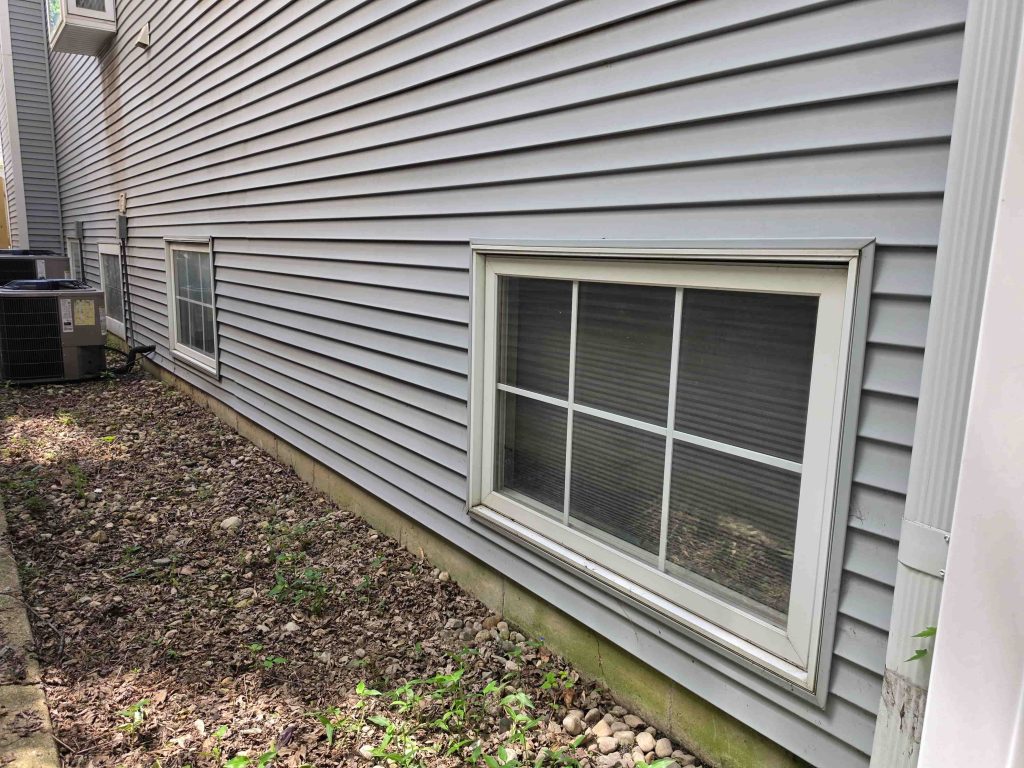
Side wall and foundation edge reviewed during mouse control service

Service Introduction

Most mouse calls start with evidence in a kitchen, basement, pantry, storage area, or garage. Droppings under a sink, chewed food packaging, or evidence behind an appliance usually means mice are already moving through hidden areas of the property.

My Pest Crew reviews the affected interior areas together with accessible openings and other relevant property conditions. The service scope is determined during the on-site visit.

Additional visits may be needed when activity is heavy, entry points remain open, or the situation requires work beyond the standard approach.

Signs of Mouse Activity

Droppings in kitchen cabinets

Small dark droppings are often found in lower cabinets, drawers, pantry cabinets, or corners where items sit undisturbed.

Evidence under sink-base cabinets

Under-sink areas are common places for mouse evidence because plumbing lines and cabinet voids often create hidden movement space.

Droppings behind appliances

Evidence behind a stove, refrigerator, dishwasher, or laundry appliance is common because these areas are dark, warm, and rarely disturbed.

Chewed food packaging

Torn bags, chewed boxes, or small bite marks on stored food can point to mouse activity in pantry areas, lower cabinets, or storage shelves.

Pantry or storage-area activity

Droppings, disturbed materials, or damaged packaging may appear in pantries, closets, basement storage areas, or garage storage zones.

Evidence near basement utility areas

Mouse evidence may appear near the furnace, water heater, laundry lines, utility panels, or basement wall edges.

Nesting material or odor

Shredded paper, insulation pieces, fabric, or a stale odor may appear in quiet cabinet voids, appliance spaces, storage areas, or basement corners.

How the Service Works

Inspect Active Interior Areas
We start where the evidence is showing: kitchen cabinets, sink bases, appliance spaces, pantry areas, basement utility areas, garage storage, and other areas with visible mouse activity.
Review Relevant Property Conditions
The technician reviews accessible property conditions connected to the reported mouse activity and determines which areas need to be addressed during service.
Review the Exterior When Relevant
Exterior property and accessible openings are reviewed when they are relevant to the mouse activity reported inside.
Treat Active Mouse Areas
Mouse Control treatment is performed within the affected service areas. Entry conditions and other relevant property conditions may be documented as part of the service findings.
Follow Up and Recheck Activity
The follow-up visit checks whether fresh activity is still present, reviews the areas serviced, and identifies any remaining conditions that may need separate correction.

Service Includes

On-site review of visible mouse activity
Review of relevant accessible openings and property conditions
Mouse Control treatment within affected areas
Documentation of entry conditions and larger property conditions found during service
Included follow-up visit to review activity

What to Know Before Service

What to Expect

Mouse activity may not stop immediately after the first visit. Mice already moving through cabinet voids, appliance spaces, basement lines, or wall spaces may continue briefly while they encounter the materials placed during service.

If fresh activity continues, the follow-up visit is used to reassess the affected areas and relevant property conditions before determining what further service is needed.

Follow-Up Structure

Standard Mouse Control includes a follow-up visit, scheduled after the initial service. The follow-up is used to review activity levels, check the serviced areas, look for fresh evidence, and reassess visible openings that may still be supporting mouse movement.

A third visit, if needed beyond the included two-visit structure, is separate and available at a discounted rate.

Safety Notes

Mouse Control may use professional materials placed in protected locations based on activity, access, and property conditions. Placement is selected with living areas, storage areas, children, pets, and normal use of the space in mind.

During service, the technician determines where materials should be placed and explains any practical precautions for serviced areas. Materials are not left exposed in open living space.

Service Limitations

Mouse Control does not include full structural repair. Small reachable openings may be sealed during service when they are appropriate for pest-control materials, but larger construction conditions are documented for separate correction.

Damaged garage doors, worn exterior door thresholds, masonry openings, foundation damage, damaged vents, moisture-damaged materials, and other repair conditions may need separate repair work.

This service is limited to mouse activity. Rat activity or other pest issues are evaluated separately.

Frequently Asked Questions

Why are mice showing up in my kitchen if I do not see an opening outside?

Mouse activity can continue even when an access condition is not obvious. The technician reviews the reported activity and relevant property conditions during the on-site service.

Why do traps work for a while and then activity comes back?

Traps can catch mice already inside, but they do not correct the opening or route that allowed the activity to continue. If an access point remains, new activity can appear after trapping slows down.

What does the follow-up visit check?

The follow-up checks for fresh droppings, continued activity, changes in the active areas, and any visible conditions that may still be supporting mouse movement.

What happens if property conditions are found during Mouse Control?

Relevant openings and property conditions may be documented during service. Larger property conditions that fall outside Mouse Control may be identified separately.

Why does the garage matter for mouse control?

Garage areas may be included in the property review when they are relevant to the reported mouse activity. The technician determines whether they need to be part of the service.

Should I clean before the visit?

Light clearing is helpful so cabinets, appliance areas, basement utility zones, and garage edges can be accessed. Avoid deep cleaning immediately before the visit when possible, because fresh evidence helps the technician understand where activity is concentrated.

Will one visit solve the problem?

Mouse activity often improves after the first visit, but the follow-up is important. It confirms whether activity is dropping and whether any remaining property conditions still need attention.

Related Projects

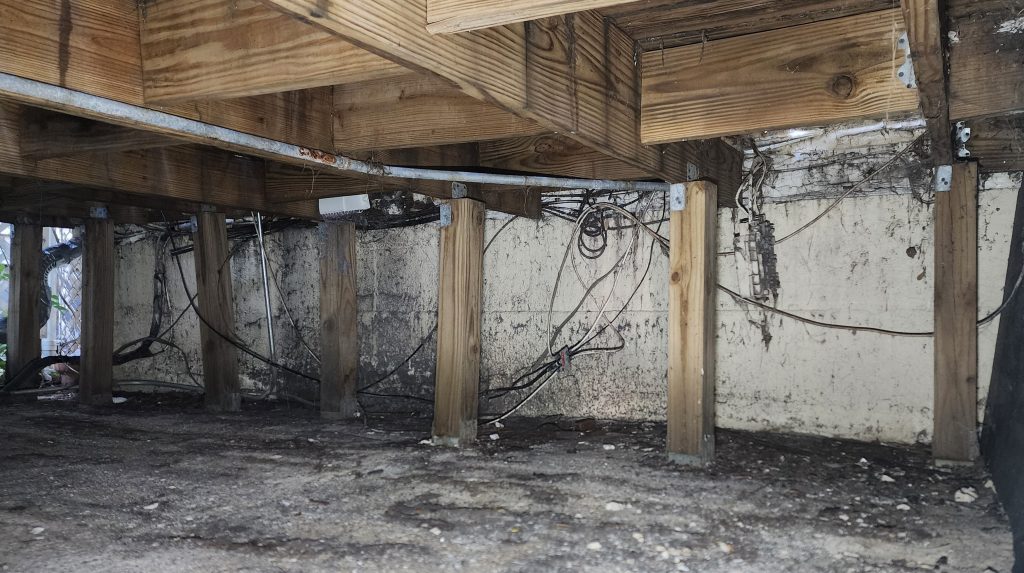
Foundation wall and ground beneath a wooden porch.
  • Mouse Control
 · 
  • Rogers Park

Rogers Park Mouse and Cockroach Treatment With Follow-Up

A Rogers Park mouse and cockroach case where both problems improved quickly after the initial service, followed by a completed return visit and separate property improvements by the residents.
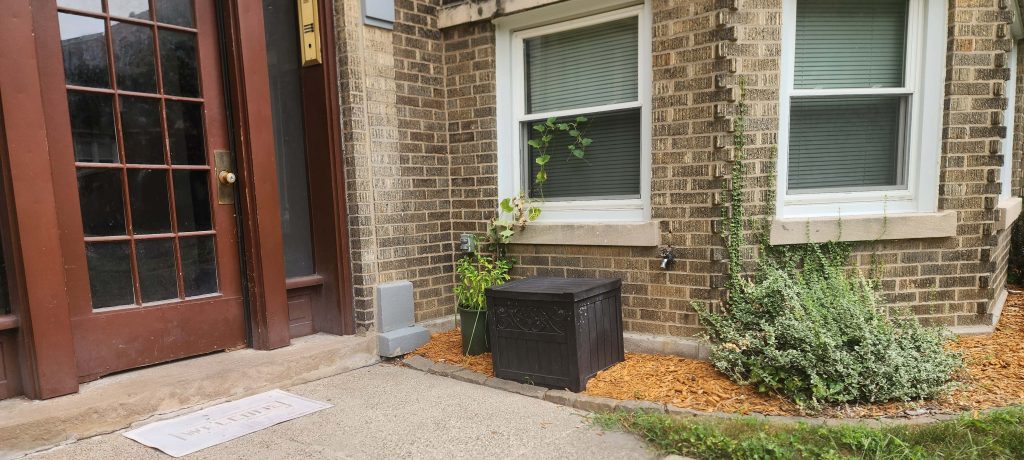
Brick entrance with windows, planting and a storage box.
  • Mouse Control
 · 
  • West Ridge

West Ridge Mouse Treatment Across Multiple Apartment Rooms

A West Ridge apartment mouse case where activity in several rooms led to an initial treatment, an exterior inspection, and a planned follow-up.
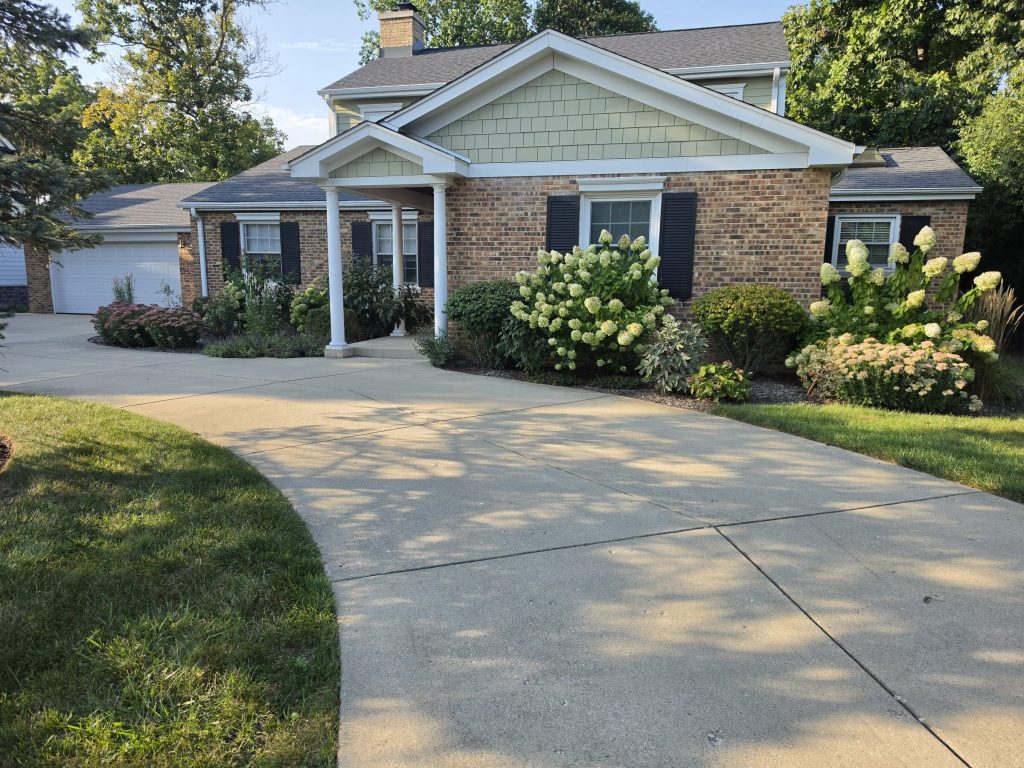
Suburban house and garage with front driveway in Glenview
  • Mouse Control
 · 
  • Glenview

House-and-Garage Mouse Control Revisited in Glenview

The family originally called about mouse activity on the main floor of their Glenview home. The house and garage both needed attention, with more than one potential entry point around the property.

Request Service

Tell us what is happening at the property, and we’ll respond with the right next step.
Scroll to Top