Ant Control
For ants in kitchens, baths, pantries, and along baseboards, or trails around the outside of the home.
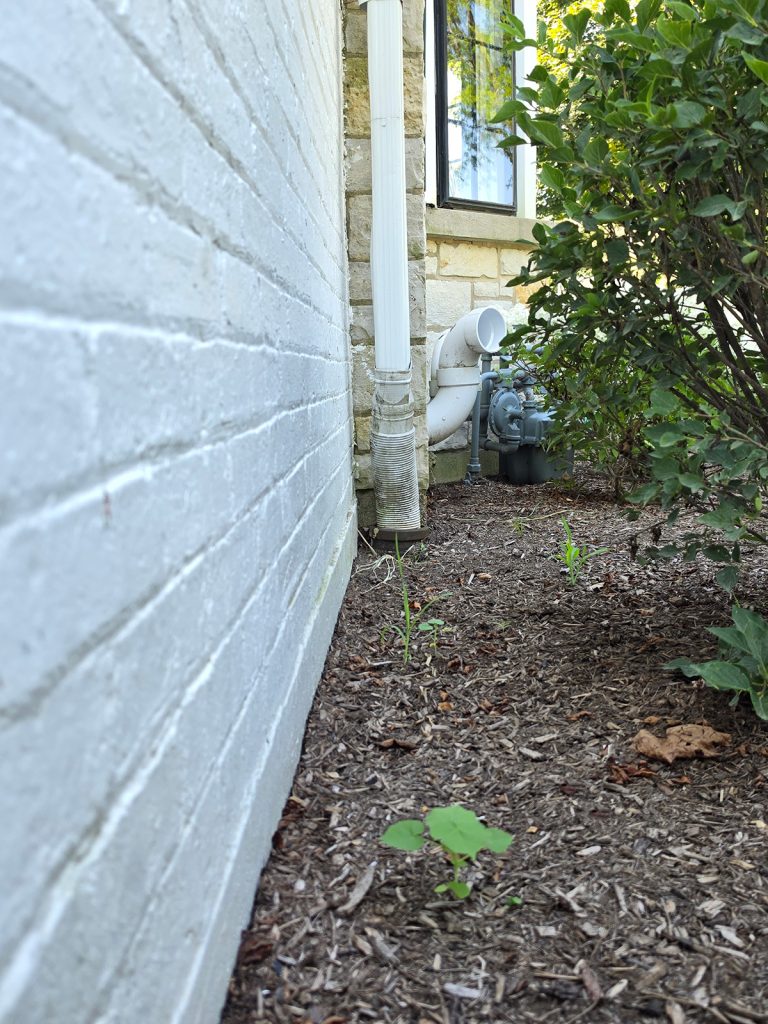

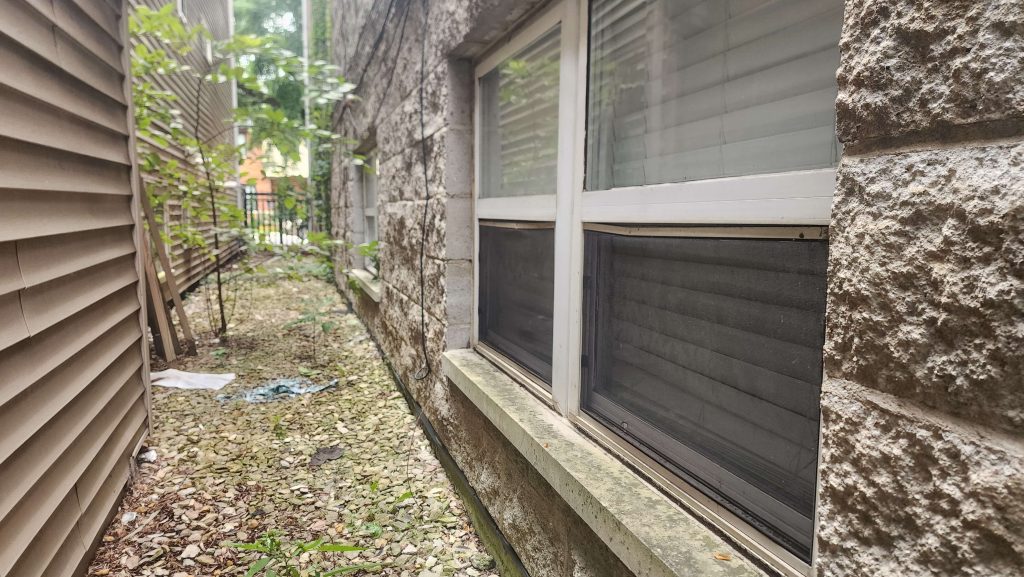
Ant activity inside a home is usually tied to a route, not just one room. Ants may show up in kitchens, baths, pantry areas, sink-base cabinets, window lines, or along baseboards because they are trailing from an exterior edge, moisture area, door threshold, patio edge, crack, sill line, or another opening.
Treatment is based on the ant activity confirmed during the visit. Interior treatment, exterior treatment, or both may be used according to the service arranged and the conditions found. Follow-up is not automatic unless it is included in the service arranged.
Ant Control is focused on the areas where ants are active, not a standard room-by-room routine. The technician reviews visible trails, entry areas, moisture areas, and exterior conditions before treatment is applied.
Exterior treatment may be part of the service based on the arrangement and the ant activity found during the visit.
Ant activity may reduce after service, but ants can return when exterior trails, moisture conditions, vegetation contact, cracks, sill lines, door thresholds, or food access remain active. The service can address active ant activity, but it does not promise that ants will never return.
Ant Control may be arranged as a one-time service, a service with follow-up, or part of a seasonal plan. Follow-up is not automatic unless it is included in the service arranged.
If additional service is needed later, a discounted additional visit may be available depending on the service structure and the conditions at the property.
Ant control materials are selected and applied based on where ants are active and what conditions are present at the property. Placement is chosen with living areas, children, pets, storage areas, and normal use of the space in mind.
The technician may provide practical precautions for treated areas based on where materials are applied and how the space is used.
Ant Control does not include sealing, structural repair, moisture correction, door repair, window repair, landscaping changes, or construction work.
Some ant activity is tied to moisture, vegetation contact, cracks, sill lines, door thresholds, food access, or exterior trails that remain active after treatment. Those conditions may be noted during service, but correcting them is separate.
This service is for standard ant activity. Carpenter ants are not included as standard Ant Control and should be reviewed separately if suspected. Large black ants are not automatically carpenter ants, but they should be mentioned before scheduling so the service can be scoped correctly.
This service does not promise that ants will never return, especially during warmer months or when exterior conditions continue to support activity.
Treatment focuses on the areas where ant activity is confirmed during the visit. The service may involve interior areas, exterior areas, or both.
Exterior treatment may be part of Ant Control depending on the service arranged and the activity found at the property.
No. Sealing and repair work are not part of standard Ant Control. Entry points, cracks, sill lines, door thresholds, or other access conditions may be noted during the visit, but correcting them is separate.
Sometimes one treatment is enough, especially when activity is limited and the supporting conditions are reduced. Other situations may need follow-up or seasonal service because ants can keep using exterior trails, moisture areas, or entry points that remain active.
Carpenter ants are not included as standard Ant Control and should be reviewed separately if suspected. Large black ants are not automatically carpenter ants, but they should be mentioned before scheduling so the service can be scoped correctly.
Ant activity can return as conditions around the property change through the season. If activity returns, My Pest Crew reviews the current situation and determines whether additional service is needed.
Yes. Ant Control may be arranged as a one-time service, a service with follow-up, or part of a seasonal plan. The follow-up structure depends on the service arranged.
Tell us what is happening at the property, and we’ll respond with the right next step.