Cockroach Control
German roach control for activity in kitchens, baths, cabinets, appliances, plumbing areas, and shared wall lines.
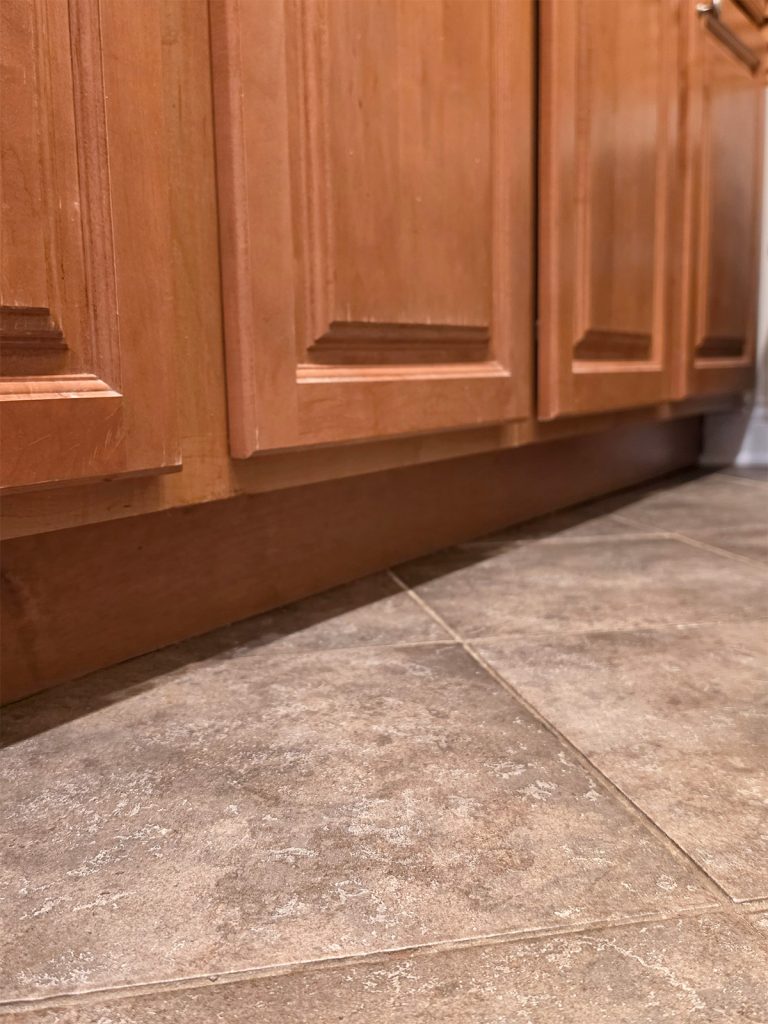

Cockroach Control is focused on German roaches and similar indoor roach activity. These issues usually show in kitchens, baths, cabinet voids, appliance gaps, plumbing areas, and shared wall lines where roaches can stay close to food, warmth, moisture, and hidden movement paths.
The standard service uses a two-visit structure: an initial treatment followed by a second visit about 3 to 4 weeks later. Professional treatment is performed within confirmed active areas and selected according to the activity found. Heavier activity may require additional or more extensive treatment.
Cockroach Control is normally a two-visit service. The first visit treats the active areas and places monitors where they can help track movement. Some activity may continue briefly after the first treatment because roach control materials continue working over time.
The follow-up visit is important. It shows what changed after the first treatment, where roaches are still active, and whether treatment needs to be adjusted. Heavy activity may require more than the standard two-visit structure.
Access matters. Limited access under sinks, behind appliances, inside lower cabinets, or around plumbing areas can affect how thoroughly the technician can treat. In multi-unit buildings, shared plumbing chases, wall spaces, and neighboring unit activity can also affect results in a treated unit.
A follow-up visit is included in the standard Cockroach Control service. It is usually scheduled about 3 to 4 weeks after the initial treatment.
The technician reviews monitoring activity, checks remaining signs, and adjusts treatment where needed. If additional visits are needed beyond the standard two-visit structure, they are quoted separately.
Professional Cockroach Control treatment is performed according to the activity confirmed during service.
The technician will provide any occupant guidance needed based on the work performed.
Cockroach Control is focused on German roaches and similar indoor roach activity. Brown-banded roaches may require different placement because they can appear in drier areas away from the usual kitchen and bath zones.
This page does not cover Oriental roaches, American roaches, or large dark or reddish roaches commonly reported around basements, drains, utility areas, or lower-level exterior openings. Those may be a different service situation from German roach activity.
Results depend on access, moisture conditions, clutter near active areas, appliance and cabinet conditions, shared wall lines, and neighboring unit activity. Treatment can reduce active cockroach activity, but it does not correct building conditions that allow roaches to keep using the same spaces.
In multi-unit buildings, activity in untreated neighboring units can affect a treated unit through shared plumbing chases, utility openings, wall spaces, and common service lines.
The standard structure covers two treatments. If additional visits are needed beyond that structure, they are quoted separately.
The standard Cockroach Control service includes two visits: the initial treatment and a follow-up about 3 to 4 weeks later. If additional visits are needed beyond that structure, they are quoted separately.
Monitors help track activity between visits. They show where roaches are still moving and give the technician specific information for the follow-up treatment.
Cockroach treatment works over time. Professional roach control materials and monitors continue working after the first visit. Some activity in the days after treatment can be expected, especially when activity was heavy before service.
Yes. Access under sinks, inside lower cabinets, behind appliances, and around plumbing areas can affect how thoroughly treatment can be applied. Preparation instructions are provided before the service visit.
Heavier activity may require additional or more extensive treatment within the confirmed service areas. The technician determines what is needed during the service.
No. This page is focused on German roaches and similar indoor roach activity. Large dark or reddish roaches around basements, drains, utility areas, or lower-level exterior openings may be a different service situation.
Yes. In multi-unit buildings, roaches can move through shared plumbing chases, utility openings, wall spaces, and neighboring units. Treating one unit can reduce activity inside that unit, but untreated surrounding conditions can continue to affect the result.
Tell us what is happening at the property, and we’ll respond with the right next step.