
Property Structure & Pest Activity
Fort Sheridan
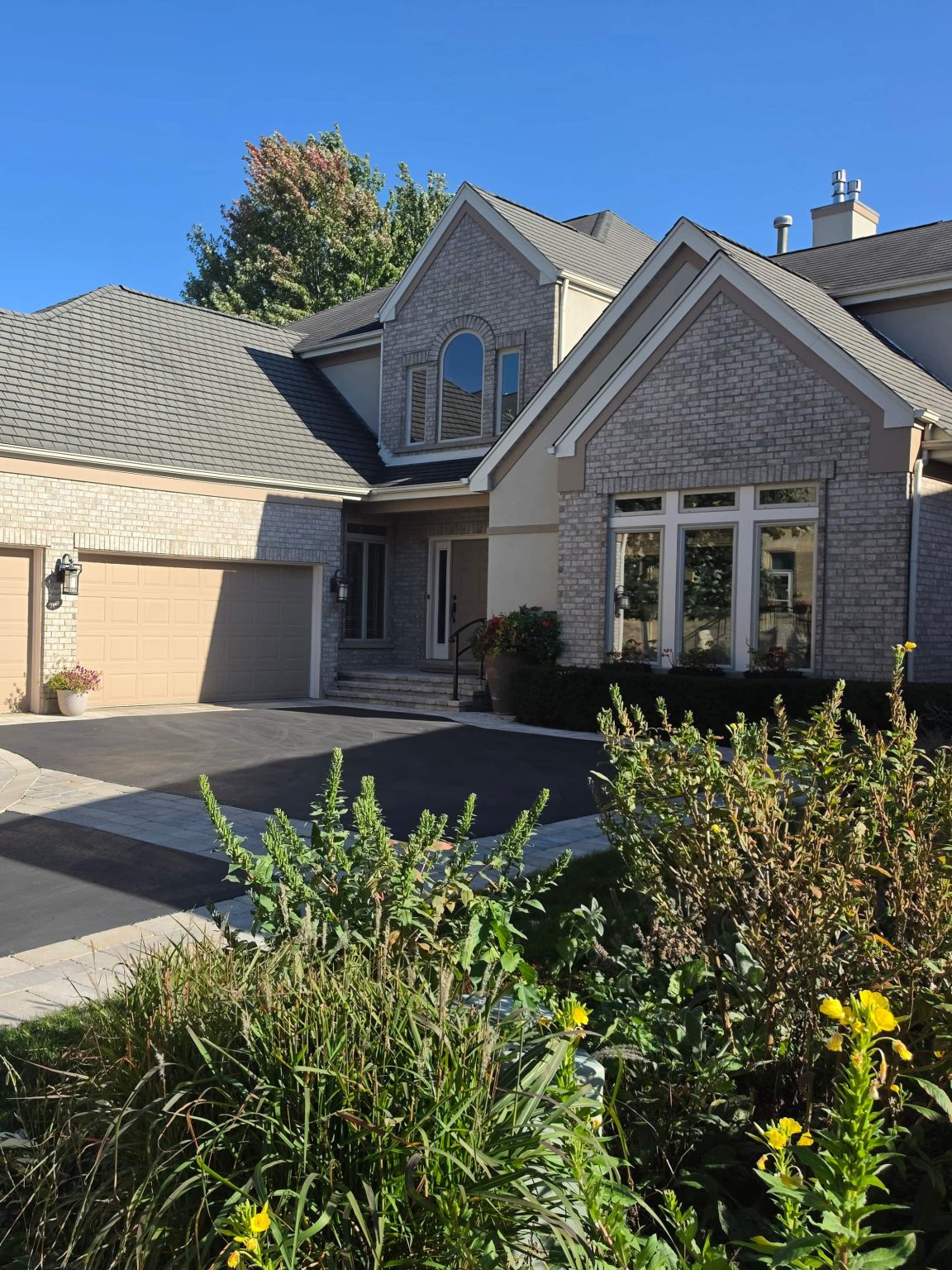
Fort Sheridan combines a distinctive historic residential layer from the former military post, dating roughly from 1889–1910, with later residential conversion and newer construction. Historic brick officer residences, duplex or two-family forms, and bachelor-officer buildings coexist with newer single-family houses, duplexes, townhomes, and condominiums. That mix makes access, exterior assemblies, and occupied-space layouts highly dependent on the individual property.
Building Style
Fort Sheridan’s defining older layer comes from late-19th- and early-20th-century military-post construction, including brick officer housing, duplex forms, and other former military buildings later adapted for residential use. Those converted historic properties now coexist with newer single-family homes, duplexes, townhomes, and condominiums, creating a clear contrast between reused historic buildings and later purpose-built housing.
Common Structural Entry Points
- Gaps or separation around doors and windows in historic brick residences.
- Unsealed utility or service penetrations through converted historic exterior walls.
- Open seams where later conversion or alteration work physically meets the historic building assembly.
- Gaps around basement or lower-level exterior openings on properties with basements.
- Gaps around exterior doors, windows, or service penetrations on newer single-family, duplex, townhome, or condominium properties.
Pests We Address in Fort Sheridan
- Rats
- Mice
- Ants
- Cockroaches
- Spiders
- Centipedes
- Millipedes
- Silverfish
- Earwigs
- Pillbugs
- Sowbugs
- Bed bugs
- Wasps and hornets
- Flies
- Boxelder bugs
Our Treatment Approach
Residential reuse gives Fort Sheridan a property context where original historic assemblies and later residential changes can exist alongside entirely newer housing. Service remains centered on the current activity and the accessible conditions relevant to the property being serviced. Larger building conditions are documented when they affect the work, while construction correction remains outside the pest-control scope.
Pest Control Services in Fort Sheridan
At a Fort Sheridan property, exterior rat service begins with a review of the activity that is actually visible outside. Treatment follows those current findings, including active burrows if they are found, and any later return or maintenance schedule is adjusted to the activity level.
Mouse Control begins with reported or visible mouse activity and a review of relevant accessible openings. My Pest Crew treats the affected service areas, and small accessible openings that fall within the pest-control work may be temporarily blocked. Permanent sealing, larger repairs, and other construction work remain separate, and the standard service includes a follow-up visit to review activity.
Fort Sheridan includes historic residential buildings dating to the 1890s and early 1900s, later residential conversions, and additional mid-century and newer housing. Large masonry structures can present a very different service setting from later suburban homes. General Pest Control is adapted to the accessible areas and building form involved at the individual property. Standard General Pest Control includes an initial visit and an included follow-up about 3–4 weeks later.
Ant Control is based on ant activity confirmed during the visit. Depending on the arranged service and what is found, treatment may cover interior areas, exterior areas, or both. Follow-up or additional service depends on the service arranged.
Cockroach Control is focused on German-roach activity in occupied interiors. My Pest Crew treats confirmed active areas according to what is found, with an initial treatment followed by a second visit about 3–4 weeks later.
Converted historic brick residences and newer houses, duplexes, townhomes, and condominiums can require different access arrangements. Spider Control may cover scheduled interior areas, exterior areas, or both. The technician reviews reported spiders and recurring web activity, then inspects and treats the accessible scheduled areas according to what is found.
Bed Bug Treatment begins with inspection, and treatment is scheduled only after activity is confirmed. The inspection establishes the agreed property or unit and the sleeping and resting areas included in the service. Standard service includes the initial treatment and a follow-up usually 10–14 days later.
Wasp & Hornet Control starts with a visible nest or repeated activity concentrated around one exterior area. Service is limited to a maximum access height of 25 feet. If the nest is concealed, the technician determines what can be reached and treated from the active exterior area; physical nest removal is performed only when the nest is accessible and conditions allow it. My Pest Crew does not perform wall cutting or structural repair.
Fly Control begins with the reported activity and a review of the relevant accessible areas. My Pest Crew treats accessible active areas according to the conditions found during the visit. If a suspected source cannot be accessed, it may remain unconfirmed.
Boxelder Bug Treatment is primarily an exterior service based on visible activity in accessible affected areas. Interior treatment may also be performed when boxelder bugs have entered the structure. Standard service includes an initial treatment and an included follow-up approximately 3–4 weeks later. Permanent sealing, property repair, maintenance work, landscaping, and construction work are not included.
The Home Pest Protection Plan is available after My Pest Crew completes the appropriate initial service. Quarterly visits include interior General Pest Control throughout accessible areas, review and treatment of covered reported activity, exterior granular bait, and monitoring when useful. Exterior spray is separate and may be arranged as a seasonal add-on. Covered activity between quarterly visits can receive an additional visit at the reduced plan rate. Active mouse or rat concerns begin with the corresponding initial rodent service, and more frequent rodent visits may be arranged when quarterly service is not frequent enough for the activity found.
Nearby Service Areas
Explore nearby service areas within My Pest Crew’s coverage. Each area has its own construction mix and property conditions, so service is based on the individual property rather than assumed from proximity.
Highland Park combines a substantial prewar housing layer with major postwar development, later detached homes, multifamily properties, and newer replacement construction. Tudor and Colonial houses sit alongside Ranch, Split-Level, Modern, and other forms, while additions and renovations often bring more than one construction period into the same property. My Pest Crew evaluates the building and reported activity as they exist today rather than assuming one Highland Park housing pattern applies across the city.
Highwood mixes established single-family neighborhoods with two- to four-unit buildings, larger multifamily properties, and mixed-use buildings. About 48.9% of housing units are in one-unit structures, 23.6% are in 2–4-unit structures, and 27.2% are in buildings with five or more units. The largest single age category is pre-1940, although most housing was built later. Service depends on that property’s scale and access.
Lake Forest includes historic and estate-scale homes alongside later suburban houses and planned western developments with both attached and detached housing. Additions, exterior alterations, and new construction add further variation from one property to the next.
Deerfield includes postwar and later single-family homes, newer townhome development, and a smaller multifamily layer. About 80.4% of housing units are in one-unit structures, with the largest construction layer from 1940–1979, and housing from 1980 forward also a substantial part of the village. Service access and layout still vary from one address to the next.
Glencoe combines a strong historic residential layer with major postwar development, later homes, and substantial newer replacement construction. Prairie, Tudor, Colonial, Ranch, Split-Level, Modern, and other forms sit alongside additions and renovations that can place more than one construction period within the same property. Some eastern addresses also include sloping or ravine-related grade conditions. My Pest Crew evaluates the individual property as it exists today rather than assuming one Glencoe house type.
Schedule Pest Control for Your Property
Tell us what you’re seeing at the property. My Pest Crew will review the situation and recommend the appropriate service.
Serving Chicago, the North Shore, and nearby north and northwest suburbs.